
MARI NOVOTNY-JONES
"INFECTION"
A 9 HOUR PERFORMANCE/MEDITATION
ON CONTAMINATION AND THIRST
Sat, November 12, 2011
!:00 - 10:00 PM
By Donation
MARI NOVOTNY-JONES:
INFECTION
COAGULATION, SEDIMENTATION, FILTRATION, DISINFECTION
A 9 HOUR PERFORMANCE/MEDITATION ON CONTAMINATION AND THRIST
Performance Time: 1pm to 10pm
MARI NOVOTNY-JONES
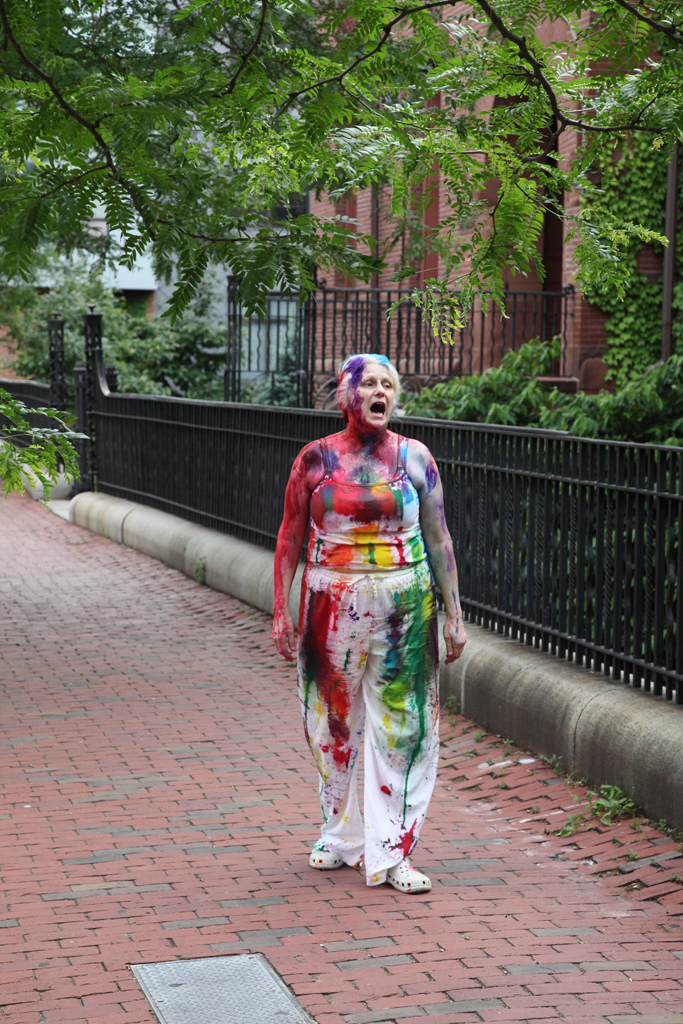
In this performance, I will examine the desire for an essential material in spite of the impossibility of attaining it. Through the metaphor of the availability of clean drinking water, (access denied to more than a billion people worldwide), viewers can experience the bounty of seemingly endless supplies of developed nations natural resources compared to the limited and dangerous resources shared in developing countries. The consequences of our naive belief in eternal sustainability have begun to surface in our own country to divesting and fatal circumstances.
During this 9-hour period, I will speak, aloud, from time to time in a steam of conscious manner. I have engaged in this form of "liminal" speech as a method of employing both voice and action in performance.
Based on a litany model, I attempt to create moments of connectiveness with my conscious and unconscious self
The following lists of information can be posted throughout the space during the performance. This information should be larger than usual letter size and would be idle at poster size:
Infection
From American Heritage Dictionary
1. Invasion by and multiplication of pathogenic microorganisms in a bodily part or tissue, which may produce subsequent tissue injury and progress to overt disease through a variety of cellular or toxic mechanisms.
An instance of being infected.
An agent or a contaminated substance responsible for one's becoming infected.
The pathological state resulting from having been infected.
An infectious disease.
2. Moral contamination or corruption.
3.Ready communication of an emotion or attitude by contact or example.
Water infection and bleeding
It started yesterday evening. I knew straight away, as I went to the toilet frequently before going to bed, and I was awake after midnight with pains and urging to go all the time.
I went to my doctor and got antibiotics. Now, I have started bleeding every time I pass water. I did have a water infection in the past but never had bleeding. It burns and bleeds. It is only like very faint bleeding. I can describe it like
Poisoned wells: AD 1348-1349
As Europe's citizens succumb in vast numbers to the plague, a rumour spreads that the cause lies in polluted water. The Jews, it is said, have deliberately poisoned the wells. The first massacres of Jews occur in France in the spring and summer of 1348. The situation rapidly becomes worse after a Jewish doctor, tortured on the rack at Chillon in Switzerland, says that he has poisoned wells with powder sent to him for the purpose by a rabbi in Spain
Bacterial Infections
Disease and Transmission Microbial Agent Sources of Agent in Water
Supply General Symptoms
Botulism
Clostridium botulinum
Bacteria can enter an open wound from contaminated water sources. Can enter the gastrointestinal tract by consuming contaminated drinking water or (more commonly) food Dry mouth, blurred and/or double vision, difficulty swallowing, muscle weakness, difficulty breathing, slurred speech, vomiting and sometimes diarrhea. Death is usually caused by respiratory failure.
Campylobacteriosis
Most commonly caused by Campylobacter jejuni
Drinking water contaminated with feces
Produces dysentery like symptoms along with a high fever. Usually lasts 2�10 days.
Cholera
Spread by the bacterium Vibrio cholerae
Drinking water contaminated with the bacterium In severe forms it is known to be one of the most rapidly fatal illnesses known. Symptoms include very watery diarrhea, nausea, cramps, nosebleed, rapid pulse, vomiting, and hypovolemic shock (in severe cases), at which point death can occur in 12�18 hours.
E. coli Infection
Certain strains of Escherichia coli (commonly E. coli) Water contaminated with the bacteria Mostly diarrhea. Can cause death in immunocompromised individuals, the very young, and the elderly due to dehydration from prolonged illness.
M. marinum infection
Mycobacterium marinum
Naturally occurs in water, most cases from exposure in swimming pools or more frequently aquariums; rare infection since it mostly infects immunocompromised individuals Symptoms include lesions typically located on the elbows, knees, and feet (from swimming pools) or lesions on the hands (aquariums). Lesions may be painless or painful.
Dysentery
Caused by a number of species in the genera Shigella and Salmonella with the most common being Shigella dysenteriae
Water contaminated with the bacterium Frequent passage of feces with blood and/or mucus and in some cases vomiting of blood.
Legionellosis (two distinct forms: Legionnaires� disease and Pontiac fever) Caused by bacteria belonging to genus Legionella (90% of cases caused by Legionella pneumophila)
Contaminated water: the organism thrives in warm aquatic environments. Pontiac fever produces milder symptoms resembling acute influenza without pneumonia. Legionnaires� disease has severe symptoms such as fever, chills, pneumonia (with cough that sometimes produces sputum), ataxia, anorexia, muscle aches, malaise and occasionally diarrhea and vomiting
Leptospirosis
Caused by bacterium of genus Leptospira
Water contaminated by the animal urine carrying the bacteria Begins with flu-like symptoms then resolves. The second phase then occurs involving meningitis, liver damage (causes jaundice), and renal failure
Otitis Externa (swimmer�s ear) Caused by a number of bacterial and fungal species.
Swimming in water contaminated by the responsible pathogens Ear canal swells causing pain and tenderness to the touch
Salmonellosis
Caused by many bacteria of genus Salmonella
Drinking water contaminated with the bacteria. More common as a food borne illness.
Symptoms include diarrhea, fever, vomiting, and abdominal cramps Typhoid fever
Salmonella typhi
Ingestion of water contaminated with feces of an infected person Characterized by sustained fever up to 40�C (104�F), profuse sweating, diarrhea, less commonly a rash may occur. Symptoms progress to delirium and the spleen and liver enlarge if untreated. In this case it can last up to four weeks and cause death.
Vibrio Illness
Vibrio vulnificus, Vibrio alginolyticus, and Vibrio parahaemolyticus Can enter wounds from contaminated water. Also got by drinking contaminated water or eating undercooked oysters.
Symptoms include explosive, watery diarrhea, nausea, vomiting, abdominal cramps, and occasionally fever.
Water pollution�
is a major global problem which requires ongoing evaluation and revision of water resource policy at all levels (international down to individual aquifers and wells). It has been suggested that it is the leading worldwide cause of deaths and diseases,[1][2] and that it accounts for the deaths of more than 14,000 people daily.[2] An estimated 700 million Indians have no access to a proper toilet, and 1,000 Indian children die of diarrhea sickness every day.[3] Some 90% of China's cities suffer from some degree of water pollution,[4] and nearly 500 million people lack access to safe drinking water.[5] In addition to the acute problems of water pollution in developing countries, industrialized countries continue to struggle with pollution problems as well. In the most recent national report on water quality in the United States, 45 percent of assessed stream miles, 47 percent of assessed lake acres, and 32 percent of assessed bay and estuarine square miles were classified as polluted.[6]
Water is typically referred to as polluted when it is impaired by anthropogenic contaminants and either does not support a human use, such as drinking water, and/or undergoes a marked shift in its ability to support its constituent biotic communities, such as fish. Natural phenomena such as volcanoes, algae blooms, storms, and earthquakes also cause major changes in water quality and the ecological status of water.
Organic water pollutants include:
� Detergents
� Disinfection by-products found in chemically disinfected drinking water, such as chloroform
� Food processing waste, which can include oxygen-demanding substances, fats and grease
� Insecticides and herbicides, a huge range of organohalides and other chemical compounds
� Petroleum hydrocarbons, including fuels (gasoline, diesel fuel, jet fuels, and fuel oil) and lubricants (motor oil), and fuel combustion byproducts, from stormwater runoff[16]
� Tree and bush debris from logging operations
� Volatile organic compounds (VOCs), such as industrial solvents, from improper storage.
� Chlorinated solvents, which are dense non-aqueous phase liquids (DNAPLs), may fall to the bottom of reservoirs, since they don't mix well with water and are denser.
o Polychlorinated biphenyl (PCBs)
o Trichloroethylene
� Perchlorate
� Various chemical compounds found in personal hygiene and cosmetic products
Inorganic water pollutants include:
� Acidity caused by industrial discharges (especially sulfur dioxide from power plants)
� Ammonia from food processing waste
� Chemical waste as industrial by-products
� Fertilizers containing nutrients--nitrates and phosphates--which are found in stormwater runoff from agriculture, as well as commercial and residential use[16]
� Heavy metals from motor vehicles (via urban stormwater runoff)[16][17] and acid mine drainage
� Silt (sediment) in runoff from construction sites, logging, slash and burn practices or land clearing sites


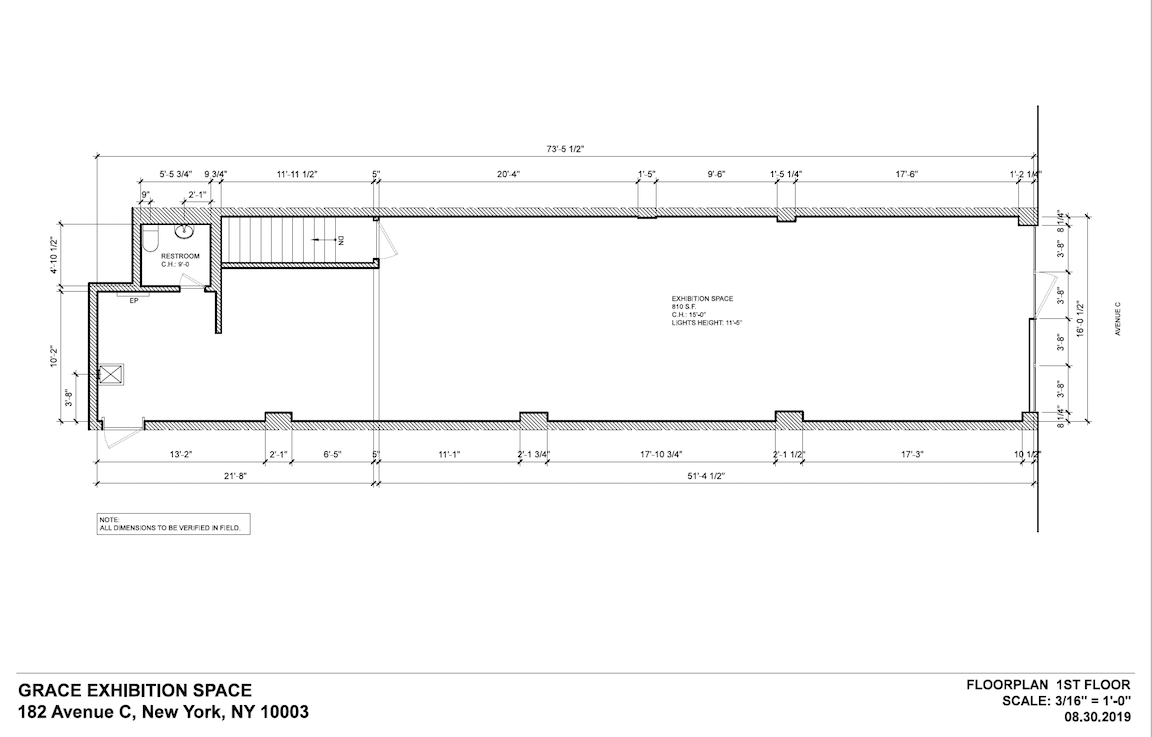
ABOUT GRACE EXHIBITION SPACE
182 AVENUE C NEW YORK, NY 10009
Facebook Instagram Twitter
GRACE:
Grace, n. - simple elegance or refinement of movement
Grace Period - an extended period granted as a special favor
The Three Graces (Greek Mythology) - charm, grace, and beauty
Opened in 2006, Grace Exhibition Space is devoted exclusively to Performance Art. We offer an opportunity to experience visceral and challenging works by the current generation of international performance artists whether emerging, mid-career or established. Our events are presented on the floor, not on a stage, dissolving the boundary between artist and viewer. This is how performance art is meant to be experienced and our mission is the glorification of performance art.
Grace Exhibition Space presents over 30 curated live performance art exhibitions each year, showcasing new work by more than 400 performance artists from across the United States and the world since 2006.
Grace Exhibition Space for International Performance Art Space IRS tax-exempt 501(c)3 status in 2015.
Grace Exhibition Space follows the We Have a Voice Collectives Code of Conduct to Promote Safe(r) Workplaces in the Performing Arts For more information and resources, visit: www.wehavevoice.org